
This tool simplifies https://blackandwhitemart.net/2022/04/05/content-creator-tax-deductions-and-write-offs/ financial reporting and helps organizations make informed decisions. In this post, we will explore what a non profit balance sheet template is, its importance, and seven essential templates that can contribute to your organization’s success. Generally accepted accounting principles or GAAP require nonprofit organizations to conform to certain regulations when presenting their balance sheets.
- A nonprofit balance sheet is so much more than a snapshot of your organization’s finances; it’s the key to long-term financial sustainability.
- By analyzing this annual snapshot, nonprofits can evaluate their progress, set future goals, and communicate effectively with donors and board members about their financial standing.
- A balance sheet helps determine a company’s current financial situation and make important financial decisions.
- Understanding this backpack helps everyone involved, like donors and leaders, know if the nonprofit is carrying a heavy load or if it’s light and agile.
- Without knowing your nonprofit’s baseline, it’s difficult to determine whether its financial health is stable.
- A declining trend in unrestricted net assets, for example, might signal trouble, while growing program expenses alongside stable contributions could indicate positive momentum.
- Our accounting services are designed to give nonprofit leaders clear, reliable financial insight they can trust.
Liquid, or Current, Assets: The Lifeblood of Daily Operations

Regular discussion of the Statement of Financial Position also reduces surprises. When leaders and boards review it consistently, financial challenges are identified early, and solutions can be planned thoughtfully rather than reactively. Recognizing these pitfalls helps leaders approach the report more thoughtfully. With proper guidance and consistent review, the Statement of Financial Position becomes clearer and more actionable. Rather than focusing only on whether budgets were met, they can evaluate long-term sustainability.
- Think of current liabilities as a to-do list your nonprofit must undertake within the coming year.
- Board members and other leaders can use this statement for better insight into how much is available to pay expenses.
- Analysts use financial ratio analysis to assess how efficiently a company uses its resources to generate sales and control costs.
- The company’s platform helps organizations manage funds, grants and reporting while maintaining compliance with financial regulations.
How can a nonprofit improve its balance sheet in terms of transparency to donors and stakeholders?
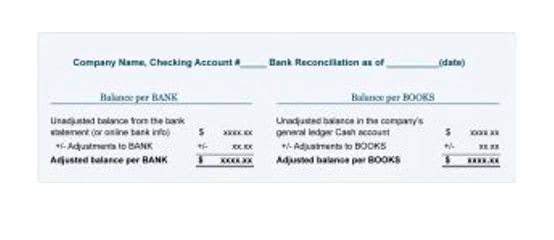
Sharing how your nonprofit’s financial status has changed gives board members, donors, and foundations a better overview of the health of your nonprofit. As we mentioned earlier, many nonprofits use these financial statements in their annual reports to show transparency and build trust in their organization. The primary difference between a for-profit and nonprofit balance sheet lies in how equity is represented. In a for-profit organization, equity reflects shareholder ownership, while in a nonprofit, equity is referred to as net assets and represents the organization’s resources available for its mission. Additionally, nonprofits focus on funding sources, such as donations and grants, rather than profits. With a clear presentation, nonprofits can quickly assess their financial health and identify areas that require attention.
Download our app for easy access
Reach out to learn how we can support your mission with stronger financial clarity. Aplos partners with Stripe Payments Company for money transmission services and account services with funds held at Fifth Third Bank N.A., Member FDIC. Aplos has everything you need in one place for streamlined nonprofit and church management. Use the form on our tools page to download the template and receive a copy in your inbox. Check your email for an additional copy of our Nonprofit Balance Sheet Template, delivered right to your nonprofit balance sheet inbox.

Statement of Functional Expenses
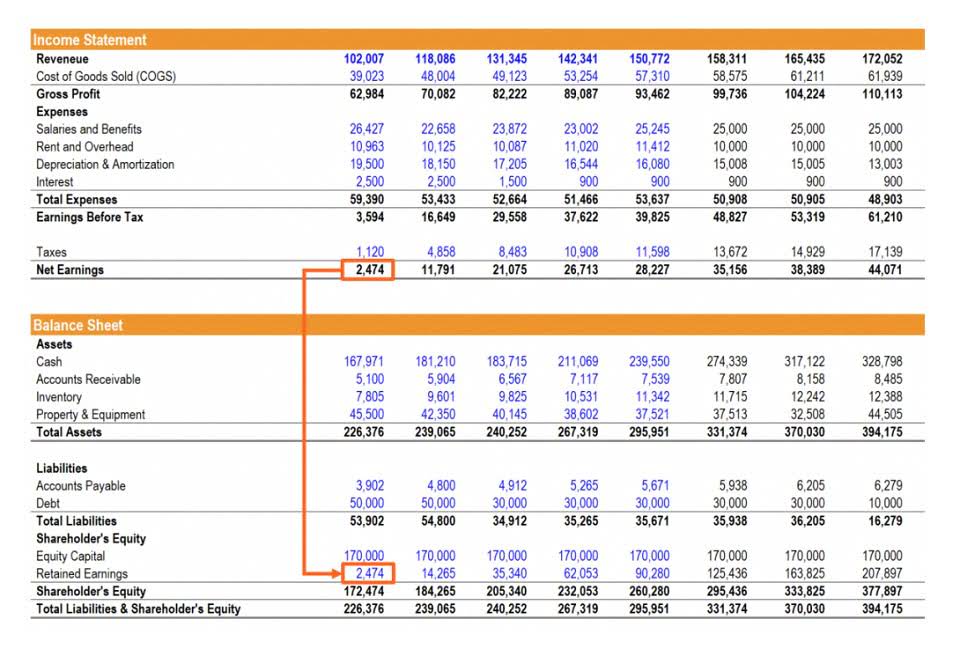
This statement is a great place to begin a financial model, as it requires the least amount of information from the balance sheet and cash flow statement. Thus, in terms of information, the income statement is a predecessor to the other two core statements. Financial analysts use financial ratios to track a company’s financial performance over time, benchmark against peers, and support investment or credit decisions. Financial ratio analysis is the process of evaluating a company’s performance by examining key ratios across liquidity, profitability, leverage, In-House Accounting vs. Outsourcing and efficiency. Ratio analysis helps financial analysts identify a company’s strengths and weaknesses, track performance trends, and make comparisons with competitors or industry benchmarks. Liquidity ratios measure a company’s ability to meet its short-term obligations using current assets on the balance sheet.
- Therefore, cash is typically at the top of the list because it’s already liquid, and property and equipment are at the bottom because you’d have to sell them for them to become liquid.
- This tool simplifies financial reporting and helps organizations make informed decisions.
- Efficiency ratios indicate whether assets and liabilities are being managed productively or contributing to unnecessary expenses and financial strain.
- Because this calculation is more precise, nonprofit accountants recommend having exactly three months of LUNA to achieve financial stability and just slightly more if you’re planning for growth.
- For instance, linking the balance sheet with income statements and cash flow statements can provide valuable insights into how assets and liabilities affect overall financial performance.